
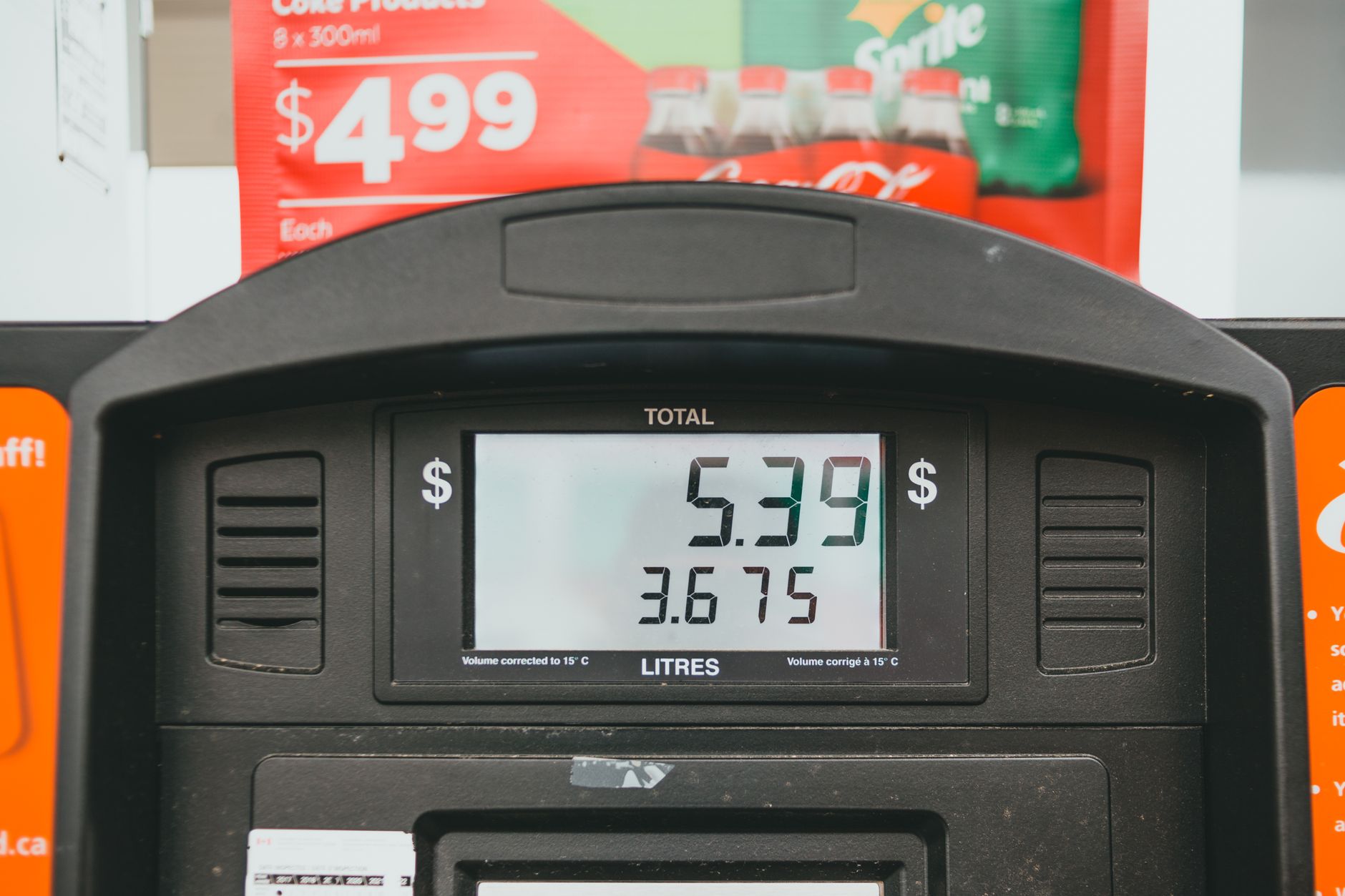
Gasoline prices Labor Day have surged to record highs, exceeding $4 per gallon, causing concern among consumers and analysts alike.
Current Gasoline Prices Overview
As the Labor Day weekend approaches, current gasoline prices have reached alarming levels, marking the worst record high for 2023. Reports indicate that the national average for gasoline has surpassed $4 per gallon, a significant increase that has impacted consumers nationwide.
Various factors contribute to this surge in prices, including:
- Increased Demand: With summer travel peaking and families taking vacations, the demand for gasoline has surged, driving prices higher.
- Supply Chain Issues: Ongoing disruptions in the supply chain have limited the availability of crude oil, further exacerbating the price hike.
- Geopolitical Tensions: Conflicts in oil-producing regions have raised concerns about supply stability, adding to the volatility of gasoline prices.
Experts suggest that consumers may need to brace for continued high prices as the summer driving season concludes. The current gasoline prices during Labor Day are not only a financial burden on American families but also reflect broader economic trends that could persist into the fall.
Impact of High Fuel Costs
The impact of high fuel costs is being felt across the nation as gasoline prices Labor Day reach alarming levels. With prices exceeding $4 per gallon, many Americans are adjusting their plans for the holiday weekend.
Consumers are facing several challenges due to the elevated fuel costs:
- Increased Travel Expenses: Families planning road trips are reconsidering their travel budgets, leading to fewer journeys and altered vacation plans.
- Inflationary Pressures: The surge in gasoline prices is contributing to overall inflation, affecting the cost of goods and services beyond just fuel.
- Local Economies: Businesses reliant on transportation and delivery are grappling with rising operational costs, which may lead to higher prices for consumers.
- Shifts in Consumer Behavior: Many drivers are opting for more fuel-efficient vehicles or carpooling to mitigate expenses, impacting automotive sales and public transportation usage.
As the nation deals with these challenges, experts warn that high gasoline prices Labor Day could set the tone for the months ahead, affecting everything from holiday travel to economic growth.
Historical Trends in Gas Prices
Over the years, gasoline prices have shown significant fluctuations, especially around major holidays such as Labor Day. Historical trends indicate that prices tend to spike during this period due to increased travel and higher demand. In 2023, gasoline prices Labor Day reached their highest levels in recent memory, exceeding $4 per gallon.
To better understand these trends, it’s important to consider the following factors that have historically influenced gas prices:
- Seasonal Demand: Gasoline prices often rise in the summer months as families embark on vacations, leading to a surge in consumption.
- Crude Oil Prices: The cost of crude oil has a direct impact on gasoline prices, with global events and production decisions affecting supply.
- Refinery Capacity: Maintenance and outages at refineries can lead to supply shortages, contributing to price spikes.
- Regional Variations: Prices can differ significantly across states due to taxes, transportation costs, and local market conditions.
As consumers brace for ongoing high fuel costs, understanding these historical patterns may provide insight into future trends in gasoline prices.
Consumer Reactions to Price Surge
As gasoline prices surge to record highs for Labor Day, consumers are expressing a mix of frustration and concern over the escalating costs. Many families had hoped to travel during the holiday weekend, but the significant increase in fuel prices has forced them to reconsider their plans.
According to a recent survey, nearly 70% of respondents indicated that the rise in gasoline prices has impacted their travel decisions. These high prices, averaging over $4 per gallon, have left many feeling the pinch in their budgets.
Some consumers are resorting to alternative modes of transportation, such as carpooling or using public transit, to mitigate the financial burden. Others are choosing to stay closer to home, opting for local activities instead of long-distance trips.
Social media platforms have also seen an influx of discussions surrounding the topic, with many users sharing their experiences and tips for saving on fuel. “It’s disappointing to see gasoline prices so high during what should be a fun holiday,” one user lamented. As the Labor Day weekend approaches, the sentiment remains clear: high fuel costs are dampening the holiday spirit for many.
Expert Opinions on Future Trends
Experts are weighing in on the implications of the recent spike in gasoline prices as Labor Day approaches. With prices exceeding $4 per gallon, analysts suggest that consumers may need to brace for continued volatility in the fuel market.
According to Dr. Emily Carter, an economist specializing in energy markets, “The surge in gasoline prices Labor Day is largely driven by supply chain disruptions and increased demand as summer travel peaks.” She emphasizes that while prices may stabilize temporarily, underlying issues such as geopolitical tensions and refinery outages could lead to further increases.
Additionally, Mark Johnson, a fuel market analyst, notes, “We are likely to see fluctuations as we transition into the fall season. Consumers should remain vigilant, as unexpected events can drastically affect prices.”
Experts also warn of potential long-term impacts on consumer behavior, with many individuals considering alternative transportation methods or reducing travel plans due to high fuel costs.
- Increased interest in electric vehicles
- Public transport usage on the rise
- Shift in holiday travel plans
This year, gasoline prices Labor Day have reached unprecedented levels, causing concern among travelers and consumers alike. Analysts predict that these soaring gasoline prices Labor Day may continue to affect holiday travel plans and budgets.
Photo by Erik Mclean on Pexels