Navigating the private residential property sector in Singapore requires an analytical perspective that extends beyond surface-level aesthetic appeal. In an environment where the Urban Redevelopment Authority (URA) tracks distinct performance variations across the Core Central Region (CCR), Rest of Central Region (RCR), and Outside Central Region (OCR), home buyers and real estate investors must evaluate how micro-location dynamics, floor plan efficiency, and total outlay affect long-term asset performance.
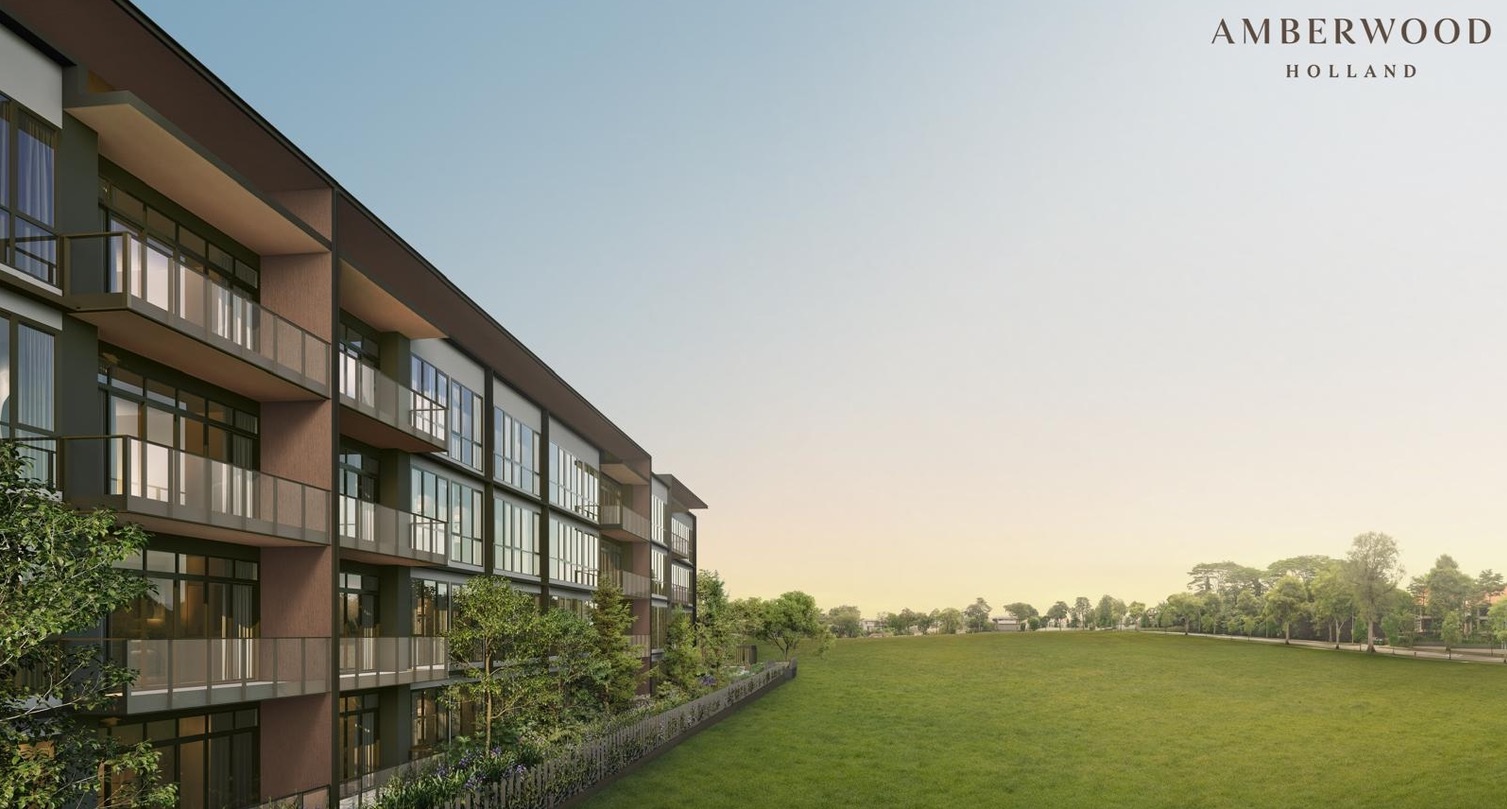
When analyzing high-end residential opportunities in established residential enclaves, prospective purchasers seeking prime central living frequently evaluate iconic addresses like Amberwood at Holland. Situated within an exclusive residential district known for lifestyle amenities, top-tier school proximity, and proximity to major commercial nodes, such developments offer an appealing environment for both owner-occupiers and discerning capital allocators.
At the same time, evaluating modern developments across different growth corridors reveals distinct investment methodologies. For buyers aiming to maximize rental demand or capitalize on infrastructure enhancements, developments such as Lucerne Grand illustrate how refined architectural planning and strategic connectivity form the basis for sustained capital preservation.
Key Investment Metrics: Central Prime vs. Growth Corridor Properties
To build a resilient real estate portfolio in Singapore, buyers need to analyze how pricing mechanics, land supply pipelines, and buyer demographics differ across districts.
| Evaluation Vector | Core Central Region (CCR) Benchmarks | Mid-Tier & Regional Growth Benchmarks |
| Primary Target Audience | High-net-worth individuals, multi-generational families, foreign buyers | Local upgraders, young professionals, long-term yield investors |
| Key Value Drivers | Land scarcity, prestige branding, lifestyle amenities, prime school zones | Infrastructure expansions, transport hubs, rental demand volume |
| Capital Growth Pattern | Steady long-term capital preservation with upside during market expansions | Capital appreciation tied to regional transformation master plans |
| Rental Market Profile | Executive tenants, corporate leases, diplomat housing | Wide catchment of local and expatriate professional tenants |
Capital Growth Strategies and Wealth Preservation
Real estate acquisition in Singapore remains a primary vehicle for long-term wealth preservation. However, the factors driving value differ depending on the location and target demographic of the property.
+——————————————————————-+
| KEY PROPERTY EVALUATION METRICS |
| |
| [ Entry Quantum ] —> [ Rental Yield ] —> [ Resale Exit ] |
| Price / Sq Ft Gross Yield % Demographic Pool |
+——————————————————————-+
1. Land Scarcity and District Prestige
Prime central locations possess an enduring advantage: absolute land supply constraints. Because new Government Land Sales (GLS) sites in established landed and high-density luxury enclaves are limited, newly launched developments in these zones maintain strong pricing power. Premium finishing, private lift lobbies, and low-density layouts appeal directly to affluent buyers who prioritize lifestyle, privacy, and long-term capital stability.
2. Infrastructure Development and Urban Transformation
Outside the central core, capital growth is closely linked to urban planning and infrastructure development. Master plans introduced by urban planning authorities—such as regional business hubs, expanded transit lines, and commercial decentralization—bring commercial activity closer to residential zones. Properties positioned along these transport corridors experience steady rental demand and appeal to a broad buyer pool upon resale.
Evaluating Layouts and Construction Regulations
Under current regulatory frameworks enforced by the URA and Building and Construction Authority (BCA), modern private condo launches adhere to strict floor-area harmonisation rules. Non-strata space, air-conditioner ledges, and architectural voids are excluded from sellable square footage, ensuring that buyers pay purely for usable indoor living space.
Key Takeaway for Homebuyers: Always evaluate unit layouts based on internal spatial efficiency rather than gross floor area alone. Square-shaped living spaces, dedicated utility rooms, and effective cross-ventilation increase day-to-day comfort and boost resale attractiveness.
Key Layout Considerations
- Efficiency Ratios: Modern architectural floor plans eliminate long corridors, maximizing usable living areas.
- Flexibility for Remote Work: Dedicated study niches and versatile room configurations appeal to working professionals.
- Natural Ventilation & Lighting: Orientations that minimize direct western sun while maximizing natural airflow reduce long-term energy consumption.
Strategic Financial Framework for Private Property Acquisition
Purchasing a private residential property requires structured financial planning to navigate loan-to-value (LTV) limits, Buyer’s Stamp Duty (BSD), and Additional Buyer’s Stamp Duty (ABSD).
Essential Financial Steps:
- Calculate Maximum Loan Capacity: Ensure compliance with the Total Debt Servicing Ratio (TDSR) framework, which limits total monthly debt obligations to 55% of gross monthly income.
- Account for Upfront Cash/CPF Allocations: Prepare the required 25% down payment (minimum 5% in cash, with the remaining 20% payable via cash or CPF Ordinary Account funds).
- Budget for Progressive Payments: For uncompleted developments, ensure cash flow aligns with the standard progressive payment schedule as construction milestones are met.
- Stress-Test Interest Rates: Evaluate monthly mortgage obligations against potential interest rate fluctuations to maintain healthy cash reserves.
Conclusion: Aligning Property Selection with Long-Term Goals
Whether prioritizing an exclusive prime-district lifestyle or focusing on high-yield growth corridors, success in Singapore’s private property market depends on thorough research, precise financial planning, and a clear understanding of local market trends. By evaluating pricing entry points, floor plan efficiency, and regional infrastructure developments, buyers can select a home that meets their lifestyle needs while establishing a strong foundation for long-term real estate value.