
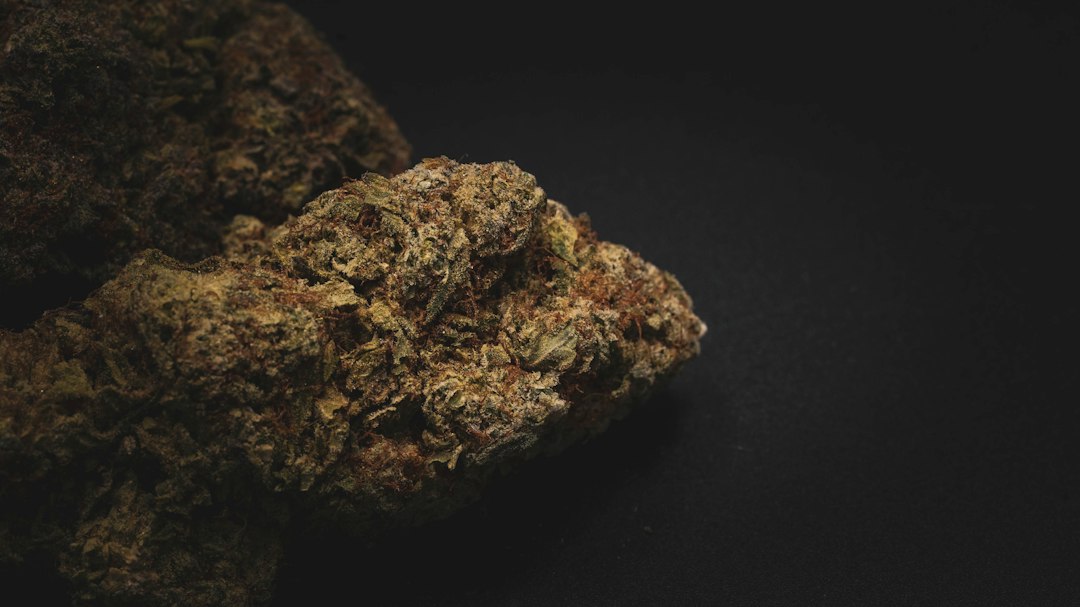
Understanding cannabis requires attention to more than terminology. Hash is a concentrated resin preparation with characteristics that can vary according to plant material and processing. For anyone researching Weed hash, responsible awareness means learning how the product differs from other cannabis preparations, recognizing potential effects, understanding safety concerns, and checking the laws that apply locally.
What is the basic definition of hash?
Hash, or hashish, is a cannabis preparation made primarily from resin glands collected from the plant. The resin contains cannabinoids and other compounds naturally present in cannabis. It is commonly compressed or formed into a concentrated material, although its physical appearance can differ depending on production methods.
Why should concentration be considered?
Concentration can influence the intensity of cannabis effects. A preparation containing a greater concentration of intoxicating cannabinoids may affect perception and cognition more strongly. Since products vary, assumptions based on a familiar appearance are unreliable. Where legal products are available, verified laboratory and labeling information can provide useful context.
What effects should readers know about?
Potential effects include altered perception, relaxation, drowsiness, impaired coordination, reduced attention, memory changes, and altered judgment. Some individuals may instead experience anxiety, agitation, dizziness, or paranoia. The response can depend on personal sensitivity, health circumstances, product composition, and other substances.
Why is combining substances a concern?
Combining cannabis with alcohol or other psychoactive substances can make effects less predictable and may increase impairment. Prescription medications can also interact with cannabis in certain circumstances. Anyone taking medication or managing a health condition should discuss cannabis-related concerns with a qualified healthcare professional.
Can cannabis use influence daily responsibilities?
Yes. Cognitive and motor effects may interfere with driving, workplace duties, studying, caregiving, and other responsibilities. A person may not accurately judge their own level of impairment. Avoiding safety-sensitive activities when impaired is therefore an important part of responsible awareness.
What signs may indicate problematic use?
Concern may arise when cannabis becomes difficult to control or begins interfering with relationships, education, employment, finances, or personal responsibilities. Other warning signs include repeated unsuccessful attempts to reduce use or continuing despite clear negative consequences. Professional support can be valuable when these patterns develop.
Why is youth education important?
Young people may be more vulnerable to the effects of cannabis because brain development continues during adolescence and early adulthood. Clear, nonjudgmental education can help young people understand potential risks and distinguish reliable information from promotional or misleading claims.
How should cannabis products be stored?
Products should be stored securely and kept inaccessible to children and pets. Appropriate storage helps prevent accidental ingestion and unintended exposure. Packaging should remain clearly identifiable, and products should not be left in places where unauthorized individuals can easily access them.
What should consumers know about legality?
Cannabis laws are location-specific and can change over time. Rules may cover possession, transportation, cultivation, sale, public use, and driving while impaired. Readers should verify current requirements through official local sources rather than assuming that regulations from another jurisdiction apply to them.
What is the broader lesson?
Responsible cannabis awareness combines factual knowledge with caution. Hash is a concentrated cannabis preparation, and its effects cannot be determined reliably from appearance alone. Understanding possible impairment, recognizing health considerations, protecting vulnerable household members, avoiding unsafe activities, and respecting local regulations are all essential elements of an informed approach.
What You Need to Know
- Hash is a cannabis preparation made primarily from resin glands collected from the plant, containing cannabinoids and other compounds.
- Concentration in cannabis products can influence the intensity of effects, with higher concentrations potentially causing stronger alterations in perception and cognition.
- Combining cannabis with other psychoactive substances, including alcohol, can lead to unpredictable effects and increased impairment.
- Cannabis use can interfere with daily responsibilities such as driving, workplace duties, and caregiving, with individuals often unable to accurately assess their level of impairment.
- Young people are particularly vulnerable to cannabis effects due to ongoing brain development, necessitating clear education on potential risks and reliable information.


