
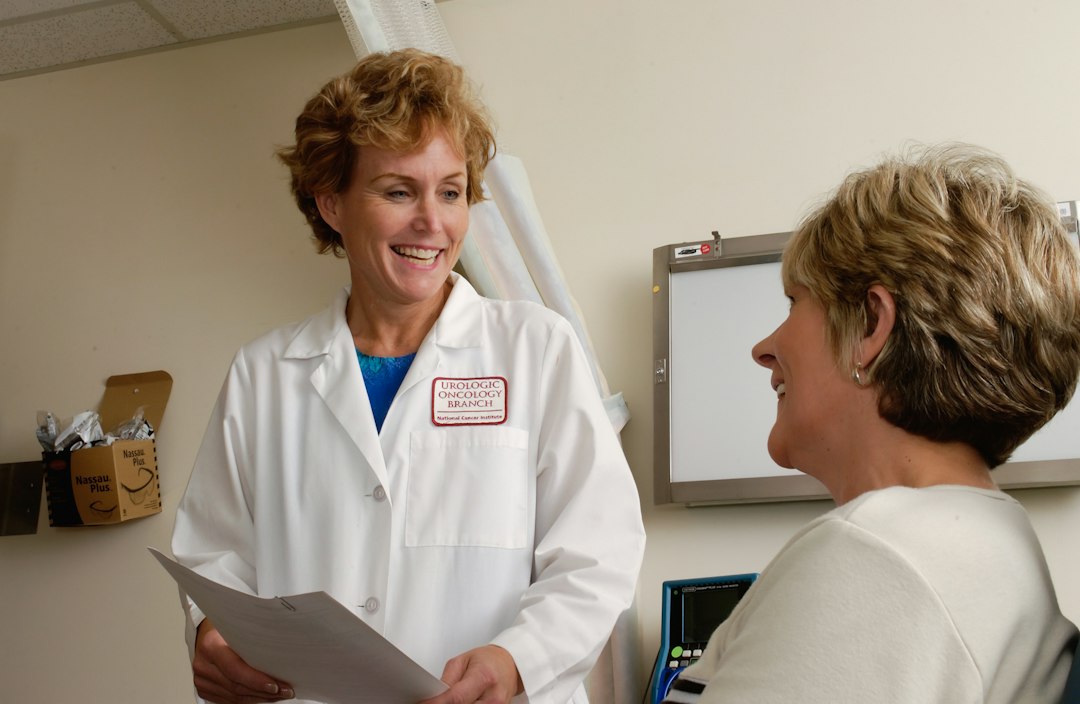
Comprehensive healthcare considers multiple aspects of a patient’s needs rather than focusing only on a single concern. It can involve appropriate assessment, communication, treatment planning, education, follow-up, and attention to individual circumstances. Dr. Christopher Mallavarapu represents a perspective centered on thoughtful healthcare, patient communication, individualized attention, and coordinated approaches to modern medical care.
What’s Covered
- Contents
- Jump To
- Jump To
- Jump To
- Jump To
- The Importance of Thorough Patient Assessment
- Supporting Individualized Care
- Strengthening Communication and Education
- Using Technology and Modern Resources
- Encouraging Coordinated Care
- Focusing on Continuous Improvement
- Creating a Comprehensive Healthcare Framework
- The Short Version
- What You Need to Know
Contents
- Jump To
- Jump To
- Jump To
- Jump To
- The Importance of Thorough Patient Assessment
- Supporting Individualized Care
- Strengthening Communication and Education
- Using Technology and Modern Resources
- Encouraging Coordinated Care
- Focusing on Continuous Improvement
- Creating a Comprehensive Healthcare Framework
- The Short Version
Jump To
- Jump To
- Jump To
- Jump To
- The Importance of Thorough Patient Assessment
- Supporting Individualized Care
- Strengthening Communication and Education
- Using Technology and Modern Resources
- Encouraging Coordinated Care
- Focusing on Continuous Improvement
- Creating a Comprehensive Healthcare Framework
Jump To
- Jump To
- Jump To
- The Importance of Thorough Patient Assessment
- Supporting Individualized Care
- Strengthening Communication and Education
- Using Technology and Modern Resources
- Encouraging Coordinated Care
- Focusing on Continuous Improvement
- Creating a Comprehensive Healthcare Framework
Jump To
- Jump To
- The Importance of Thorough Patient Assessment
- Supporting Individualized Care
- Strengthening Communication and Education
- Using Technology and Modern Resources
- Encouraging Coordinated Care
- Focusing on Continuous Improvement
- Creating a Comprehensive Healthcare Framework
Jump To
- The Importance of Thorough Patient Assessment
- Supporting Individualized Care
- Strengthening Communication and Education
- Using Technology and Modern Resources
- Encouraging Coordinated Care
- Focusing on Continuous Improvement
- Creating a Comprehensive Healthcare Framework
A comprehensive approach begins with understanding the person. Healthcare professionals can consider relevant medical information, personal concerns, lifestyle factors, and individual expectations when discussing appropriate care. This broader perspective can help create more meaningful healthcare interactions.
The Importance of Thorough Patient Assessment
Assessment provides an important foundation for healthcare decisions. Understanding a patient’s concerns and gathering relevant information can help healthcare professionals develop appropriate care discussions.
A thorough approach also involves listening. Patients may describe symptoms, concerns, or experiences that provide useful context. Allowing individuals to communicate openly can support a more complete understanding of their circumstances.
Assessment is not limited to an initial interaction. Ongoing communication can provide additional information as circumstances change.
Supporting Individualized Care
Every patient has a different background and may respond differently to healthcare experiences. Comprehensive care recognizes the importance of considering individual needs when discussing appropriate treatment and support.
Dr. Christopher Mallavarapu reflects the value of combining professional knowledge with patient-focused communication. Individualized attention can help patients understand their care while allowing healthcare professionals to address relevant concerns more effectively.
Personalized care does not require abandoning established medical principles. Instead, it involves applying appropriate professional knowledge while considering the individual circumstances of the patient.
Strengthening Communication and Education
Clear communication is an essential part of comprehensive healthcare. Medical information can sometimes be difficult to understand, so healthcare professionals can help by explaining relevant concepts in accessible language.
Patient education can encourage informed participation. Individuals who understand the purpose of recommendations may be better prepared to ask questions and discuss concerns with qualified professionals.
Good communication should continue throughout the healthcare process. Follow-up discussions can provide opportunities to clarify information and address questions that may arise later.
Using Technology and Modern Resources
Technology can support different aspects of modern healthcare. Digital records, communication tools, educational resources, and diagnostic technologies may assist healthcare professionals in organizing information and supporting patient interactions.
However, technology should complement rather than replace human communication. Patients may still need direct explanations and opportunities to discuss concerns.
Using modern resources thoughtfully can contribute to efficiency while keeping attention focused on patient needs.
Encouraging Coordinated Care
Comprehensive healthcare can benefit from coordination. When relevant healthcare professionals communicate effectively and information is organized appropriately, patients may experience a more connected care process.
Coordination can also reduce confusion and support continuity. Clear communication between professionals and patients can help ensure that everyone understands the next steps in an appropriate care plan.
Focusing on Continuous Improvement
Healthcare is continually developing through new knowledge, technologies, and approaches to patient communication. Continuous improvement allows healthcare professionals to review their practices and identify areas where changes may be beneficial.
Patient feedback can also provide useful insights. Understanding the patient experience can help healthcare teams improve communication, accessibility, and organization.
Creating a Comprehensive Healthcare Framework
A comprehensive approach combines assessment, communication, individualized attention, education, technology, coordination, and continuous improvement. Together, these elements can support a more complete understanding of patient needs.
The principles associated with Dr. Christopher Mallavarapu highlight the importance of considering the whole healthcare experience rather than focusing on a single interaction. By listening carefully, communicating clearly, supporting informed participation, using modern resources responsibly, and maintaining appropriate follow-up, healthcare professionals can contribute to a more organized, responsive, and patient-focused approach to comprehensive care.
The Short Version
- Comprehensive healthcare takes into account multiple aspects of a patient’s needs rather than focusing solely on a single concern.
- Thorough patient assessment forms the foundation for effective healthcare decisions and encourages ongoing communication for complete understanding.
- Individualized care considers each patient’s unique background and responses to healthcare experiences, combining professional knowledge with patient-centered communication.
- Technology plays a supportive role in modern healthcare but should complement human communication rather than replace it.
- Coordinated care among healthcare professionals enhances patient experiences by reducing confusion and ensuring continuity in care.
- Continuous improvement in healthcare practices is essential for adapting to new knowledge and technologies, as well as for enhancing patient communication and accessibility.
What You Need to Know
- Comprehensive healthcare considers multiple aspects of a patient’s needs, including assessment, communication, treatment planning, and education.
- Dr. Christopher Mallavarapu emphasizes individualized attention and thoughtful patient communication in modern healthcare practices.
- Ongoing patient assessment and communication are crucial for understanding changing circumstances and supporting appropriate care decisions.
- Effective communication and education help patients better understand medical recommendations and encourage informed participation in their healthcare.
- The use of technology in healthcare should complement human communication and focus on patient needs without replacing direct interactions.
- Coordinated care among healthcare professionals enhances the patient experience by ensuring effective communication and continuity of care.
What You Need to Know
- Comprehensive healthcare considers multiple aspects of a patient’s needs rather than focusing only on a single concern.
- Thorough patient assessments provide a foundation for healthcare decisions and ongoing communication is crucial for understanding changing circumstances.
- Individualized care recognizes that each patient has a different background and may respond differently to healthcare experiences.
- Clear communication and patient education are essential for facilitating informed participation in healthcare decisions.
- Technology should complement human communication in healthcare, assisting professionals without replacing direct interactions.
- Coordination among healthcare professionals enhances the care process by reducing confusion and supporting continuity.

