
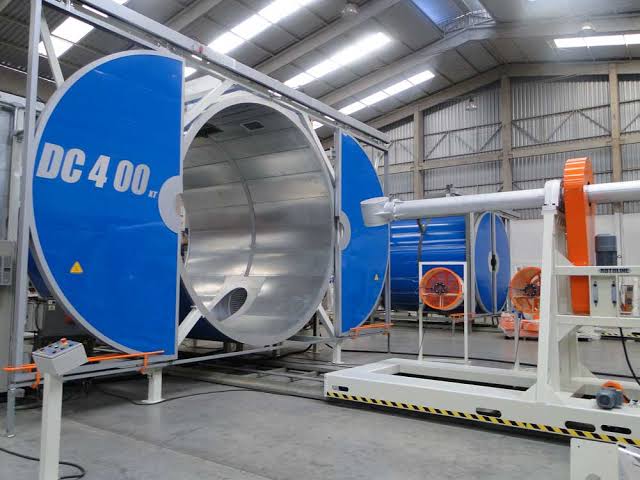
The modern manufacturing industry constantly strives for innovative solutions that blend functionality with creativity. As demands for custom products rise across various sectors, rotomolding has emerged as a leading process in creating designs that are not only innovative but also durable. Rotomolding, or rotational molding, allows manufacturers to craft complex, custom-made products with an unmatched combination of flexibility, efficiency, and longevity. This unique manufacturing process plays a pivotal role in producing designs that stand out in both form and function, offering a range of advantages for industries looking to develop high-quality, durable products.
How Does Rotomolding Enable the Creation of Innovative Designs?
At its core, rotomolding is a process that provides exceptional flexibility in design. Unlike traditional molding techniques, such as injection or blow molding, which may require multiple steps and complex assembly, rotomolding allows manufacturers to create intricate shapes and structures in one seamless operation. The process begins by heating plastic resin inside a mold and rotating it along two axes, which causes the resin to coat the interior surface evenly. This creates uniform thickness and, more importantly, gives designers the freedom to explore a wide range of creative designs without the constraints typically associated with other methods.
The ability to easily produce complex geometries, such as hollow sections, internal compartments, and integrated handles, is a key feature that sets rotomolding apart. These intricate designs, which would be difficult or impossible to achieve with other processes, open up new possibilities for innovation. Whether for consumer products, industrial applications, or specialized equipment, rotomolding enables designers to push the boundaries of what is possible, resulting in unique products that serve specialized purposes or provide added convenience.
What Are the Key Benefits of Rotomolding for Durability?
Durability is a critical factor for many industries, particularly those that require products to withstand heavy use or harsh environments. Rotomolding excels in producing parts with superior durability thanks to its even wall thickness and seamless design. The uniformity of the material distribution in rotomolding ensures that there are no weak points, such as seams or joints, that could fail over time. This makes rotomolded products inherently stronger and more reliable compared to other molding techniques that may leave structural weaknesses.
Additionally, rotomolding allows manufacturers to tailor the material properties to specific needs, such as UV resistance, chemical resistance, or impact strength. These custom material choices further enhance the durability of the final product, making it ideal for applications in industries like automotive, agriculture, and outdoor equipment. Whether the product is exposed to extreme weather, chemicals, or physical wear and tear, rotomolding ensures that it will perform reliably for years to come.
How Does Rotomolding Contribute to Cost-Effective Production?
One of the standout benefits of rotomolding is its cost-effectiveness, especially for custom designs or lower-volume production runs. The simplicity of the rotomolding process translates into lower tooling costs compared to other techniques, such as injection molding, which often requires complex and expensive molds. The molds used in rotomolding are less intricate and can be produced at a fraction of the cost, making it an attractive option for businesses that require high-quality parts but want to keep production costs low.
Furthermore, rotomolding is an efficient process that requires minimal post-production handling. Since the product is shaped and cooled in a single step, there is no need for additional assembly, welding, or fastening. This results in reduced labor costs and faster turnaround times, contributing to overall cost savings. For companies producing custom, low-volume items, rotomolding is particularly advantageous as it provides a cost-effective solution without compromising on quality or design complexity.
How Does Rotomolding Support Sustainability in Design?
As sustainability continues to be a central focus in manufacturing, rotomolding offers several environmental benefits. The process generates minimal material waste because only the required amount of resin is used for each product. Leftover material can often be recycled and reused in subsequent production runs, making rotomolding a more sustainable choice compared to methods that produce significant waste.
Additionally, many of the materials used in rotomolding, such as certain types of plastic resins, are recyclable, which contributes to the circular economy. Rotomolded products can also be designed for recyclability at the end of their life cycle, further promoting sustainability. The durability of rotomolded parts means they are less likely to need replacement, which reduces the demand for raw materials and minimizes waste over time.
The lightweight nature of many rotomolded products also plays a role in sustainability. Because they are lighter than comparable products made using other methods, they require less energy to transport, reducing fuel consumption and carbon emissions associated with logistics.
What Industries Benefit Most from Rotomolding’s Innovative Capabilities?
Rotomolding is widely used across a variety of industries where innovation and durability are essential. In the automotive industry, rotomolding is used to create lightweight, durable parts like bumpers, dashboards, and storage containers that are designed to withstand the rigors of daily use. Similarly, in the agricultural sector, rotomolding is used for creating tanks, trays, and containers that can endure exposure to harsh chemicals, extreme weather, and heavy-duty tasks.
The outdoor equipment industry also benefits greatly from rotomolding, with products such as kayaks, coolers, and storage bins often being produced through this method. These products require both innovative designs and exceptional durability, making rotomolding an ideal solution. Consumer goods, too, rely on rotomolding for customized, high-quality products that feature unique designs and functional features.
Conclusion
Rotomolding has firmly established itself as a key process in crafting innovative and durable designs for a wide range of industries. Its ability to produce complex, custom shapes in one seamless process, combined with the durability of the final product, makes it an invaluable tool for manufacturers. The cost-effectiveness, design flexibility, and sustainability benefits of rotomolding further solidify its place as a preferred solution for businesses looking to create high-quality, long-lasting products.
As industries continue to prioritize innovation, durability, and sustainability, rotomolding is poised to play an even more significant role in shaping the future of product design. By enabling manufacturers to push the boundaries of what is possible while ensuring that products meet rigorous performance standards, rotomolding offers a versatile and reliable solution that drives success across multiple sectors.
