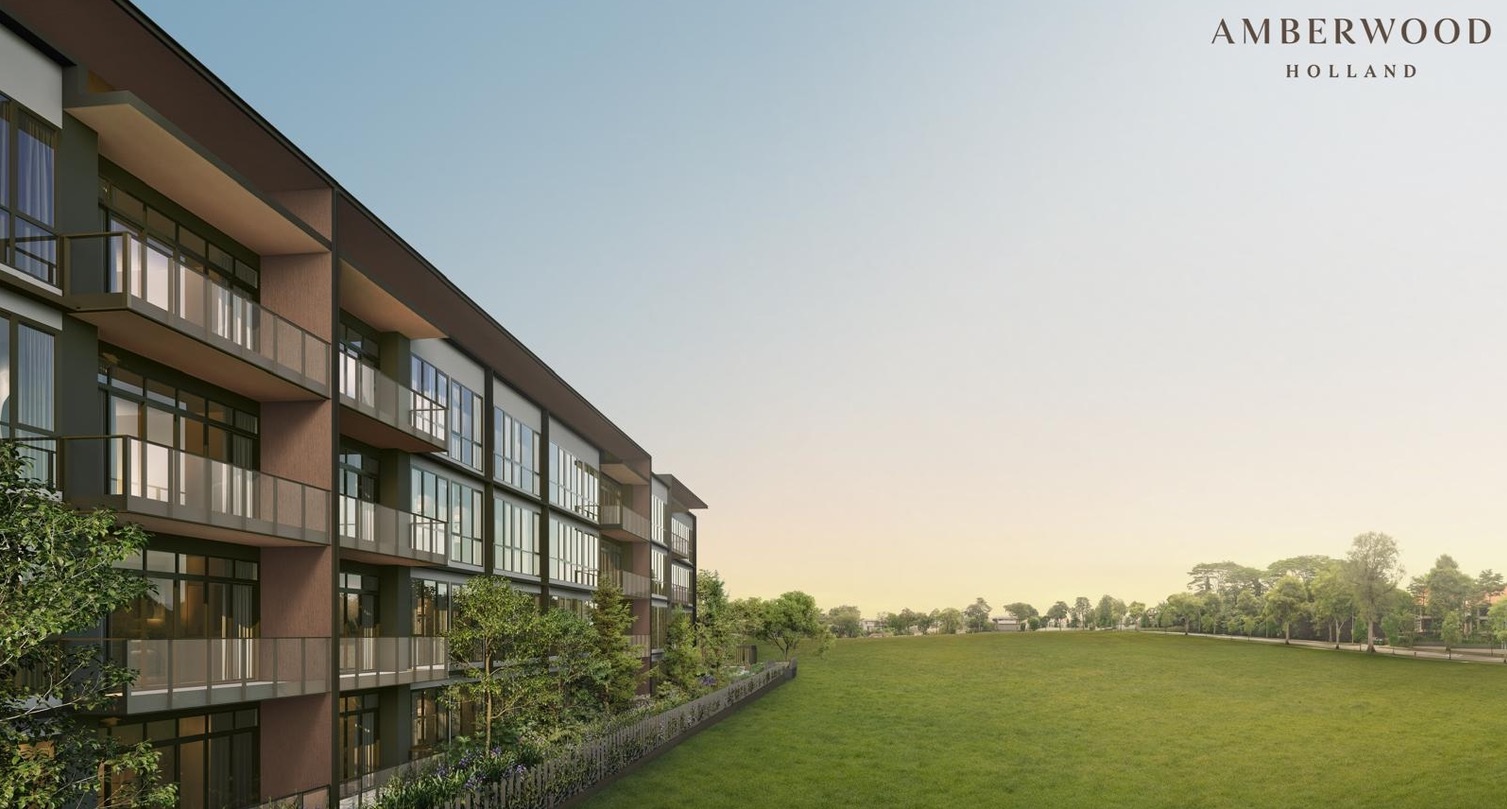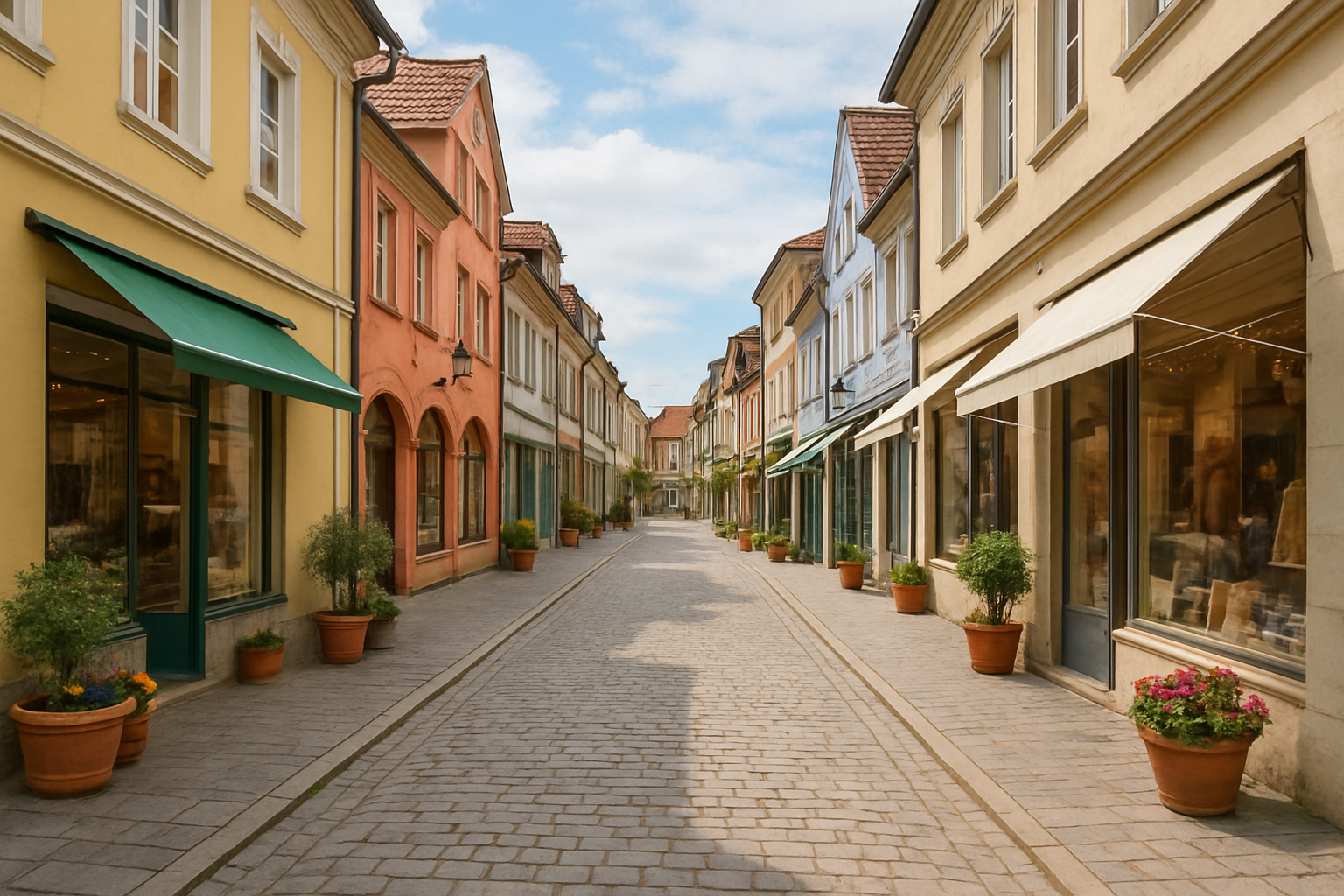
Walkability has become an increasingly important consideration for homebuyers in Singapore as residents seek greater convenience and more balanced lifestyles. A walkable neighbourhood allows people to access essential services, recreational spaces, and community facilities with greater ease. Beyond reducing travel time, well-designed pedestrian-friendly areas encourage healthier routines and stronger connections between residents and their surroundings. Understanding the benefits of walkable communities helps buyers evaluate how a neighbourhood can influence their everyday living experience.
What’s Covered
- Making Daily Errands More Convenient
- Encouraging Healthier Lifestyles
- Strengthening Community Interaction
- Supporting Convenient Urban Living
- Reducing Dependence on Private Transport
- Improving Family-Friendly Living
- Adding Value Through Neighbourhood Design
- Creating Better Everyday Experiences
Making Daily Errands More Convenient
One of the biggest advantages of a walkable neighbourhood is the ease of completing daily activities. When supermarkets, dining options, healthcare services, and essential facilities are located nearby, residents can manage their routines more efficiently.
This convenience is valuable for households of all types. Families may appreciate easier access to childcare services and schools, while older residents benefit from having important amenities within comfortable reach. A neighbourhood designed around accessibility reduces the need for frequent driving and creates a more practical living environment.
Encouraging Healthier Lifestyles
Walkable communities naturally encourage more physical activity by making walking a convenient part of everyday routines. Residents who can comfortably walk to nearby destinations may find it easier to stay active without needing dedicated exercise sessions.
Pedestrian-friendly pathways, shaded walkways, and green surroundings contribute to a more pleasant walking experience. These features support healthier habits while allowing residents to enjoy their neighbourhood at a slower pace. In dense urban areas like Singapore, accessible walking routes provide valuable opportunities to connect with outdoor spaces.
Strengthening Community Interaction
Walkable neighbourhoods often create more opportunities for residents to interact with one another. When people spend more time walking through shared spaces, they are more likely to encounter neighbours and participate in community activities.
Public areas such as parks, plazas, and communal facilities become natural meeting points where relationships can develop. These interactions contribute to a stronger sense of belonging and help create neighbourhoods that feel more connected and welcoming.
Supporting Convenient Urban Living
Good walkability is closely linked to effective urban planning. Residential areas that integrate homes with amenities, transport options, and recreational spaces provide residents with a smoother daily experience.
Developments such as The Serra Residences reflect how buyers increasingly consider the surrounding environment when choosing a home. The connection between a residential development and nearby facilities can significantly influence convenience, comfort, and overall lifestyle satisfaction.
Reducing Dependence on Private Transport
Walkable neighbourhoods provide residents with more choices when moving around. Easy access to nearby facilities and public transport can reduce reliance on private vehicles, offering practical benefits for households.
This flexibility can make daily travel more manageable while supporting broader sustainability goals. Residents who have multiple transport options may enjoy greater freedom in planning their routines and reaching different destinations across the city.
Improving Family-Friendly Living
For families, walkable communities can provide a safer and more engaging environment for children. Nearby parks, recreational spaces, and educational facilities allow families to spend more time within their neighbourhood.
Children can enjoy outdoor activities and develop greater independence in familiar surroundings. Parents also benefit from the convenience of having important facilities close by, making everyday responsibilities easier to manage.
Adding Value Through Neighbourhood Design
Walkability can influence how attractive a residential area becomes over time. Neighbourhoods that offer convenient access, pleasant surroundings, and strong community features often appeal to a wider range of residents.
Projects like Dunearn Green demonstrate how buyers increasingly assess properties through the wider living environment rather than focusing only on the individual unit. A well-connected neighbourhood can contribute to a more complete residential experience.
Creating Better Everyday Experiences
Walkable neighbourhoods improve residential living by combining convenience, wellness, and community connection. They allow residents to complete daily activities more easily while enjoying a stronger relationship with their surroundings.
As Singapore continues to develop, walkability will remain an important aspect of urban planning and residential choice. Buyers who consider pedestrian access, nearby amenities, and neighbourhood design can identify homes that support a more comfortable and adaptable lifestyle.
What You Need to Know
- Walkability has become a key factor for homebuyers in Singapore who seek convenience and balanced lifestyles.
- Residents in walkable neighbourhoods can access essential services, recreational spaces, and community facilities with greater ease.
- Walkable communities encourage physical activity by integrating pedestrian-friendly pathways and green surroundings, promoting healthier lifestyles.
- Effective urban planning that incorporates walkability results in more convenient living experiences by linking homes to amenities and transport options.
- Walkable neighbourhoods enhance community interaction by providing shared spaces where residents can encounter each other and participate in local activities.
- Families in walkable areas benefit from safer environments for children, with easy access to parks and educational facilities.